Shopify SEO Tips for Beginners: Rank Higher in 2026
By Muhammad Abdullah · October 21, 2026
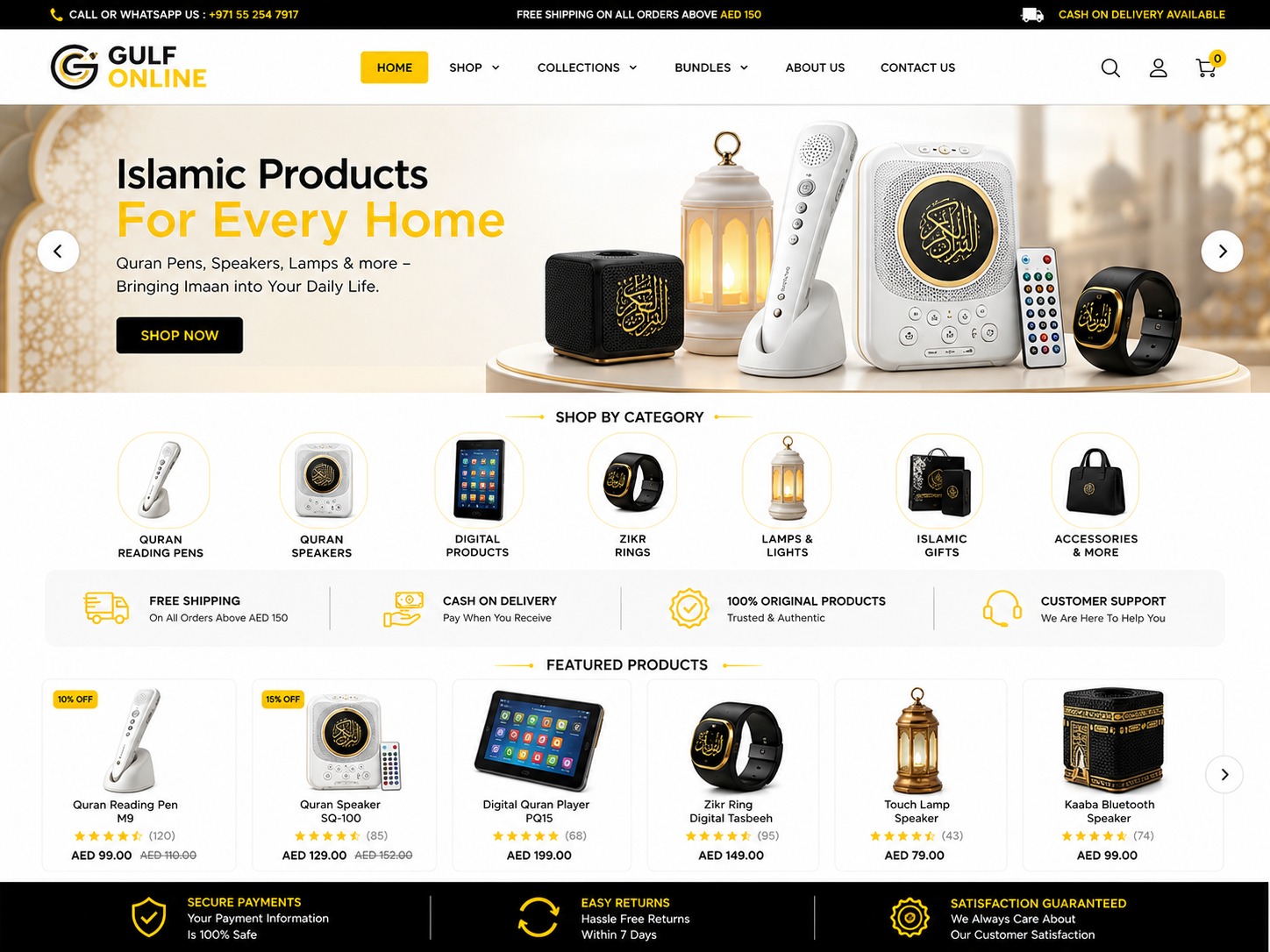
To improve your store’s visibility, implementing specific shopify seo tips for beginners involves optimizing your site structure, conducting deep keyword research, and ensuring your product descriptions are both unique and keyword-rich. By focusing on these core elements, you can transform your Shopify store from a hidden gem into a high-traffic destination that generates organic sales without relying solely on paid advertisements.
As a Shopify expert based in Pakistan, I have seen many entrepreneurs launch beautiful stores only to wonder why the visitors aren't coming. The answer usually lies in search engine optimization (SEO). In the competitive landscape of 2026, simply having a product isn't enough; you need to tell Google exactly what you are selling and why you are the best choice for the consumer. Whether you are selling leather goods from Sialkot or luxury perfumes in Dubai, these strategies will provide the foundation you need to succeed.
Why is SEO Critical for Your Shopify Store?
SEO is the practice of increasing the quantity and quality of traffic to your website through organic search engine results. For a Shopify beginner, SEO might seem like a daunting technical hurdle, but it is actually one of the most cost-effective ways to grow. Unlike Facebook or Google Ads, where traffic stops the moment you stop paying, SEO builds long-term equity. A well-optimized page can rank for years, bringing in consistent customers day and night.
In regions like Pakistan and the UAE, the ecommerce market is becoming increasingly crowded. Consumers are becoming more specific with their searches. They aren't just searching for 'shoes'; they are searching for 'handmade leather formal shoes in Lahore' or 'breathable running sneakers Dubai.' If your store isn't optimized for these specific queries, you are leaving money on the table for your competitors to grab. SEO ensures your brand is present at the exact moment a customer is ready to buy.
How Do I Start with Shopify SEO as a Beginner?
The first step in any successful SEO strategy is understanding your site structure. Shopify is generally SEO-friendly out of the box, but it has some quirks. For example, Shopify uses a specific hierarchy: Home Page > Collections > Products. To maximize your ranking potential, ensure your navigation is simple and logical. Avoid creating too many categories that overlap, as this can confuse both search engines and users.
Next, you must set up essential tools like Google Search Console and Google Analytics. These tools are your eyes and ears. They tell you which keywords people are using to find you and which pages are performing best. For a beginner, looking at the 'Performance' report in Search Console can provide a goldmine of information. You might find that people are searching for a specific feature of your product that you haven't even highlighted in your titles yet.
Mastering Keyword Research for Ecommerce
Keywords are the bridge between what people are searching for and the content you provide to fill that need. For Shopify stores, you want to focus on 'commercial intent' keywords. For instance, if you sell organic tea, a keyword like 'benefits of green tea' is informational, while 'buy organic green tea online' is commercial. You want to rank for both, but the latter is what drives immediate sales.
Don't just compete for high-volume, generic terms. If you are a small business in Karachi selling handmade jewelry, competing for the term 'jewelry' is nearly impossible. Instead, target long-tail keywords like 'traditional silver jhumkas in Pakistan' or 'customized name necklaces Karachi.' These terms have lower competition and much higher conversion rates because they match a specific user intent.
Optimizing Product Pages for Search Engines
Your product pages are where the magic happens. To optimize them, start with the Title Tag and Meta Description. Your title should include your main keyword and be under 60 characters. The meta description should be a compelling 'ad' for your page, around 150 characters, ending with a call to action. On the page itself, ensure your H1 tag is the product name and includes a keyword.
Image Alt Text is another critical but often overlooked area. Search engines cannot 'see' images; they read the Alt text to understand the content. Instead of leaving an image name as 'IMG123.jpg', change it to 'blue-silk-men-necktie-pakistan'. This not only helps with Google Image search but also improves accessibility for visually impaired users, which is a ranking factor in 2026.
Local SEO Strategies for Pakistan and Gulf Markets
If you operate in specific regions like the UAE or Pakistan, local SEO is your best friend. Even if you only sell online, registering for a Google Business Profile can boost your credibility. In your Shopify 'About Us' and 'Contact' pages, mention specific cities and regions you serve. For example, 'Offering 24-hour delivery across Dubai, Abu Dhabi, and Sharjah' helps Google associate your store with those locations.
Additionally, consider the language and terminology used by your local audience. In the UAE, you might want to optimize for both English and Arabic terms. In Pakistan, using localized terms alongside English keywords can capture a wider audience. For example, an ecommerce store selling clothing might use 'unstitched lawn suits' as a primary keyword because that is exactly what local customers are typing into the search bar.
Shopify SEO Checklist for 2026
- Ensure your SSL certificate is active (Shopify does this by default).
- Optimize all image file sizes to under 100KB using WebP format.
- Remove duplicate content and set canonical tags for product variants.
- Submit your XML sitemap to Google Search Console.
- Ensure your theme is fully responsive and mobile-friendly.
- Create a blog and publish at least one high-quality article per week.
- Fix any broken links (404 errors) using 301 redirects.
- Add Schema Markup (JSON-LD) to show product ratings and prices in search results.
Frequently Asked Questions
How long does it take to see results from Shopify SEO? Generally, SEO is a long-term strategy. For a new Shopify store, you can expect to see significant movement in rankings within 3 to 6 months, provided you are consistent with keyword optimization and content creation. It is not an overnight fix, but the results are sustainable.
Does Shopify handle SEO automatically? While Shopify provides a great technical foundation (like auto-generated sitemaps and clean URLs), it does not do the heavy lifting for you. You still need to perform keyword research, write unique product descriptions, and build high-quality backlinks to outrank your competitors.
Are paid SEO apps for Shopify worth it? Some apps like Plug in SEO or SEO Antenna can help beginners identify errors, but they won't 'do' SEO for you. The most important work—content and strategy—must be done manually. I recommend starting with the basics before spending money on monthly app subscriptions.
Optimizing a store is a continuous journey that requires patience and expertise. If you're feeling overwhelmed or want to ensure your store is built for success from day one, I am here to help. Whether you need a complete Shopify store design or a professional SEO audit for your existing business in Pakistan, the UAE, or anywhere else, feel free to contact me through my website, muhammadabdullah.online, to discuss how we can grow your sales together.
Ready for shopify store design?
See the full scope, process, and pricing — or book a project directly.
Explore Shopify Store DesignMore Shopify posts
How Much Does a Shopify Store Cost in 2026? A Real Breakdown by Abdullah
Abdullah breaks down the real cost of building a Shopify store in 2026 — subscription, theme, apps, design, and launch — with honest numbers for Pakistan and international clients.
Read postThe Shopify Launch Checklist: 12 Things to Fix Before You Go Live
Abdullah's pre-launch Shopify checklist — 12 concrete things to test on your store, from mobile speed to checkout flow, before you send it your first paid visitor.
Read post