10 Fatal Resume Mistakes to Avoid to Get Hired in 2026
By Muhammad Abdullah · October 26, 2026
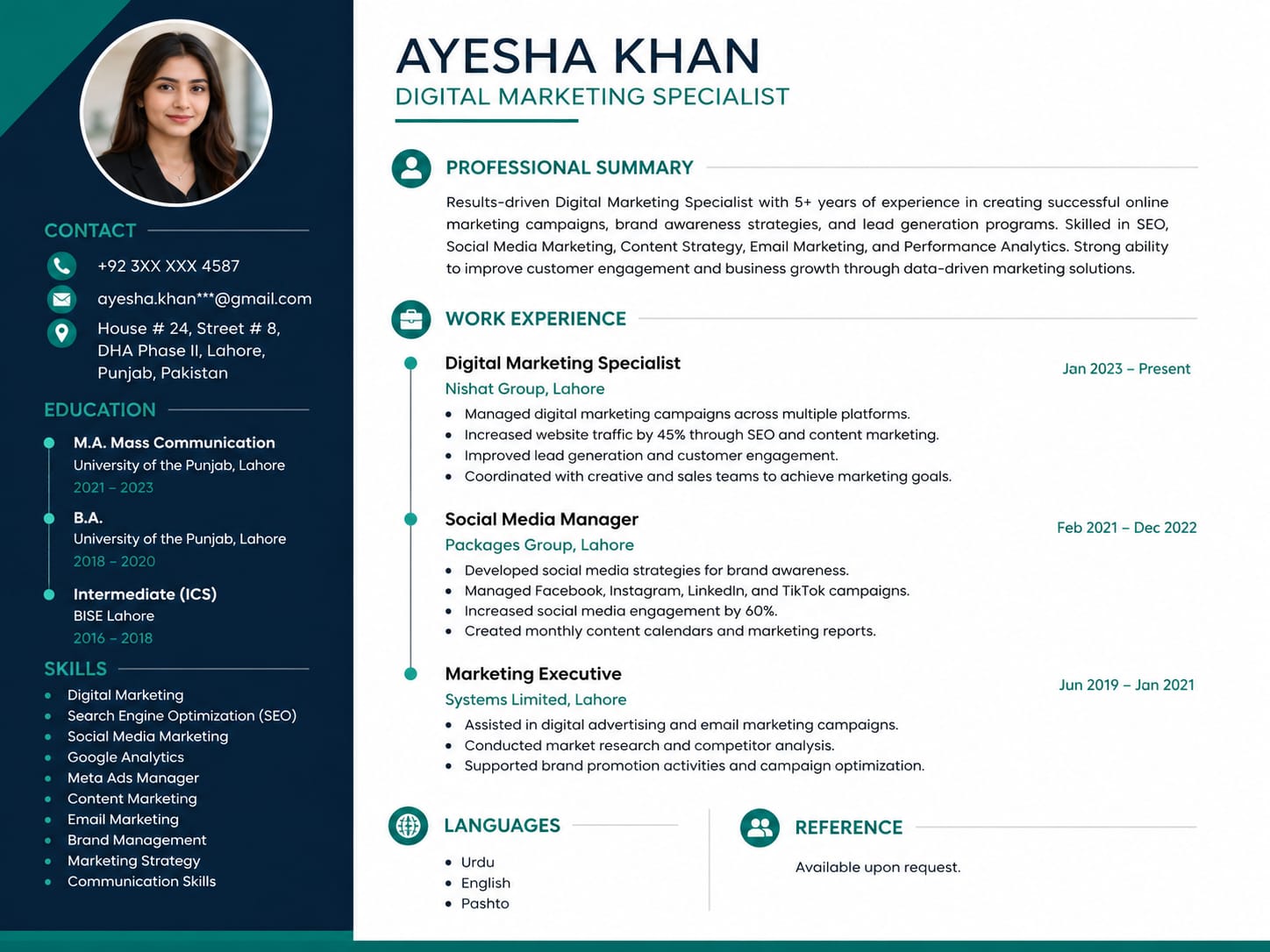
The most critical resume mistakes to avoid include using overly complex visual formats, failing to optimize for Applicant Tracking Systems (ATS), listing passive job duties instead of measurable accomplishments, and neglecting regional application norms in markets like Pakistan and the UAE. Eliminating these common blunders ensures your document successfully passes automated filters and catches the eye of hiring managers within seconds.
Why Small Resume Mistakes Cause Immediate Rejections
In today's fast-paced job market, recruiters receive hundreds of applications for every open position across Lahore, Karachi, Dubai, and international remote hubs. Most hiring departments rely on sophisticated Applicant Tracking Systems (ATS) to parse, filter, and rank applications long before a human eye ever sees them. If your document contains formatting glitches, unreadable text elements, or vague descriptions, the system automatically rejects your profile before a recruiter even gets a chance to assess your talent.
Even when a human recruiter reviews your application, you only have approximately 6 to 7 seconds to make a compelling impression. A single glaring mistake—such as a typo in your contact information, an unprofessional email address, or an overcrowded layout—can cost you a lucrative job interview. As a professional resume writer working with clients across Pakistan and the Gulf region, I see qualified candidates passed over daily simply because their CVs fail to communicate their true value.
1. Using Overly Graphic Canva Templates That Break ATS Software
One of the most widespread resume mistakes to avoid is downloading visually heavy templates from design platforms like Canva. While multi-column layouts, progress bars for skills, colorful background blocks, and graphic icons look visually appealing to the human eye, automated ATS parsers struggle to read them accurately.
When an ATS scans a two-column template or text stored inside graphic boxes, it often scrambles the reading order, merges separate experience entries, or completely ignores entire sections. Instead, opt for a clean, single-column or carefully structured professional format built in Microsoft Word or Google Docs. Standard headings, clean margins, and straightforward typography guarantee that software parses every word seamlessly.
2. Writing Task-Based Descriptions Instead of Impact Metrics
Another major blunder is turning your professional work experience section into a dull copy-paste of your official job description. Writing bullets like 'Responsible for managing social media pages' or 'Handled customer inquiries' tells hiring managers what you were supposed to do, but it fails to demonstrate how well you actually did it.
To stand out in competitive markets like Dubai or Riyadh, transform passive task statements into high-impact accomplishment bullets using concrete numbers, percentages, and revenue figures. Compare the difference between these two examples:
Weak: Responsible for managing digital marketing campaigns in Dubai. Strong: Spearheaded 12+ performance marketing campaigns in Dubai, generating $450K in new client revenue and reducing acquisition costs by 22% over 6 months.
3. Ignoring Regional Differences Between Pakistan, UAE, and Global Markets
Job seekers frequently make the error of submitting the exact same resume format everywhere without considering regional expectations. Hiring standards in Pakistan, the United Arab Emirates, North America, and Europe vary significantly regarding personal details, length, and content structure.
For instance, employers in the UAE often appreciate clarity regarding your current location, visa status, languages spoken, and willingness to relocate. In contrast, US or UK resumes strictly prohibit photos, age, marital status, or nationality to prevent employment discrimination. Tailoring your document to match the cultural and corporate standards of your target job location is essential for securing callbacks.
4. Failing to Tailor Keywords for Every Single Job Application
Sending a generic, one-size-fits-all resume to 50 different companies is a guaranteed recipe for silence. Employer ATS algorithms rank applicants based on how closely their resume matches the specific keywords, hard skills, software tools, and job titles listed in the official vacancy announcement.
Before submitting your CV, carefully analyze the job posting. Identify the core hard skills—such as 'Shopify SEO,' 'Financial Analysis,' 'B2B Sales Strategy,' or 'Python Development'—and naturally integrate those exact terms into your professional summary, core competencies section, and work experience bullet points.
5. Including Outdated Information, Clichés, and Filler Phrases
Space on your resume is high-value real estate. Including irrelevant high school credentials, obsolete software skills (like Microsoft Word 2007), or generic buzzwords wastes space that should highlight your recent professional successes.
Eliminate tired executive clichés such as 'hardworking team player,' 'out-of-the-box thinker,' or 'results-oriented professional.' Instead of claiming you possess strong leadership, prove it by detailing a project where you successfully led a cross-functional team to deliver a project ahead of deadline.
Essential Resume Pre-Submission Checklist
Before hitting the submit button on your next job application, run your CV through this quick checklist to ensure you have avoided all critical mistakes:
- File Format: Saved as a clean PDF or standard DOCX without embedded image text boxes.
- Contact Details: Professional email address (e.g., firstname.lastname@email.com) and active LinkedIn URL included.
- ATS Optimization: Exact hard skills and job titles from the job description built into the text.
- Measurable Results: Every work experience section contains hard metrics, percentages, or dollar amounts.
- Conciseness: Maximum 1 page for entry-level applicants; 2 pages maximum for experienced professionals.
- Proofreading: Zero spelling, grammar, or punctuation errors after thorough review.
- Targeting: Clear resume title aligned directly with the target job position.
Frequently Asked Questions
Q: Should I include a headshot on my resume when applying for jobs in Dubai or Pakistan? A: In Pakistan and the Gulf region, adding a professional headshot is acceptable and sometimes expected for client-facing corporate, retail, or hospitality roles. However, if you are applying for remote tech roles or positions in Western countries like the US or UK, omit your photo to ensure compliance with local anti-bias hiring regulations.
Q: What is the single biggest ATS resume mistake to avoid? A: The single biggest ATS mistake is placing core content—such as contact information, skills, or job titles—inside page headers, footers, tables, or drawn text boxes. Most applicant tracking software cannot index text contained within graphics or headers, leaving your application looking incomplete.
Q: How far back should my work experience go on my CV? A: As a general rule, focus on the last 10 to 15 years of relevant career history. Roles older than 15 years can be summarized briefly in an 'Earlier Career History' section without bullet points, keeping your resume focused on your most recent and high-impact accomplishments.
If you want to eliminate costly errors and land interviews faster with a professionally written, ATS-ready CV tailored for job markets in Pakistan, the UAE, or worldwide, visit my website at muhammadabdullah.online today to work directly with me on upgrading your career documents.
Ready for resume writing?
See the full scope, process, and pricing — or book a project directly.
Explore Resume WritingMore Resume posts
7 ATS Resume Mistakes That Get You Rejected (And How to Fix Them)
Abdullah, a professional resume writer, breaks down the 7 most common ATS resume mistakes that get applicants filtered out before a recruiter ever reads the resume.
Read postHow to Write a Resume Summary That Gets Interviews (With Examples)
Abdullah shows you exactly how to write a resume summary that recruiters actually read — with real before/after examples for marketing, engineering, and finance roles.
Read post