How to Start Shopify Store in Pakistan: A Success Blueprint
By Muhammad Abdullah · November 5, 2026
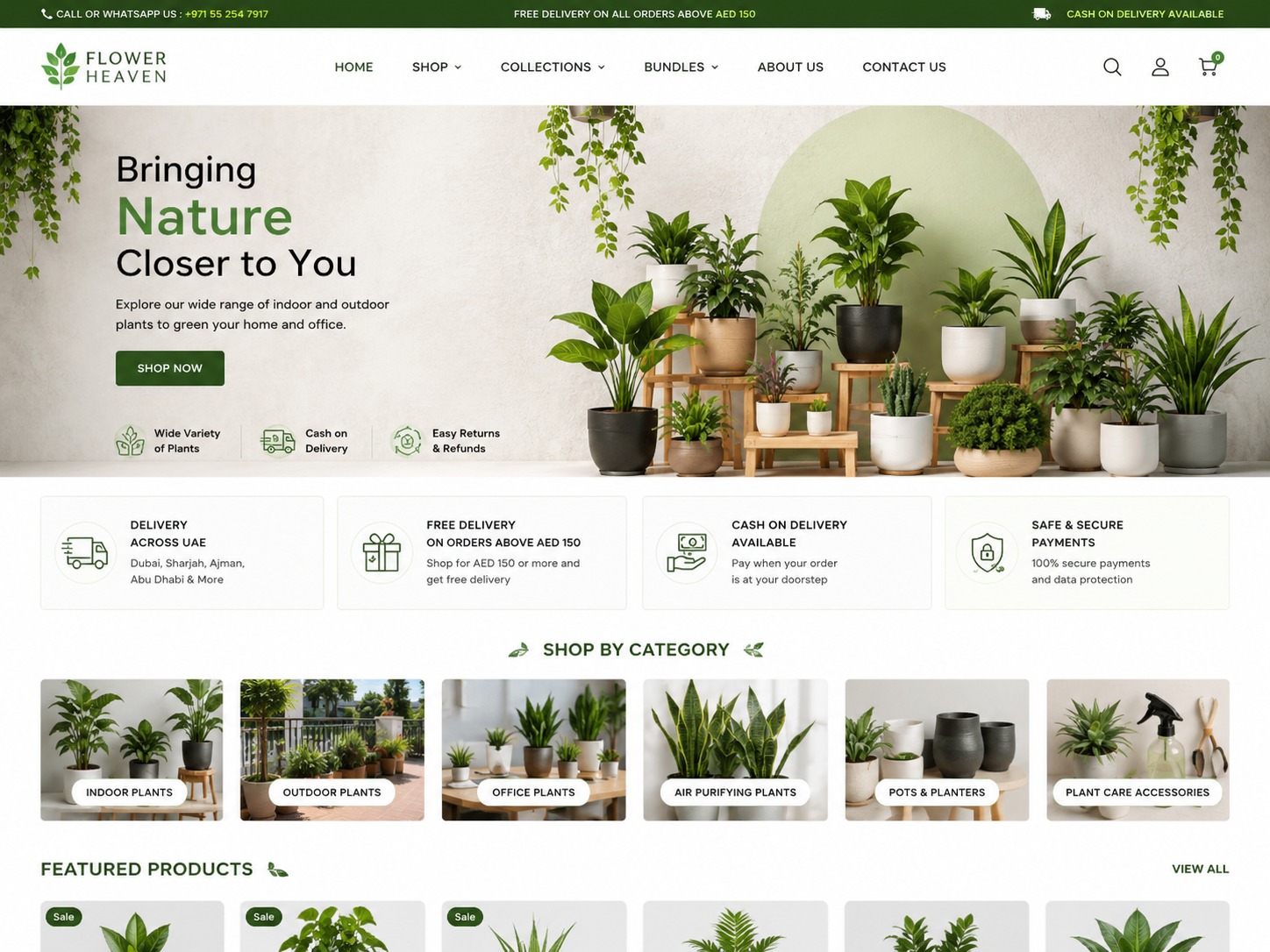
To start a Shopify store in Pakistan, you need to register a Shopify account, choose a profitable niche, and integrate local or international payment gateways to handle transactions. The process involves setting up a professional storefront, sourcing products from local hubs like Faisalabad or Sialkot, and partnering with reliable courier services for Cash on Delivery (COD) or international fulfillment.
As a Shopify expert based right here in Pakistan, I have seen the digital landscape transform over the last few years. Many entrepreneurs are eager to tap into the global market or dominate the local retail scene, but they often feel overwhelmed by the technicalities of the platform. Starting an e-commerce business is more than just clicking a few buttons; it is about building a brand that resonates with your audience, whether they are in Lahore, Dubai, or London. In this guide, I will walk you through the exact blueprint I use to help my clients launch successful online stores from Pakistan.
Why Pakistan is a Goldmine for Shopify Sellers
Pakistan is currently one of the fastest-growing e-commerce markets in the world. With a population of over 240 million and a rapidly increasing number of internet users, the potential for local retail is massive. However, the real 'goldmine' lies in our manufacturing capabilities. We are a global hub for textiles, leather goods, surgical instruments, and sports equipment. When you start a Shopify store in Pakistan, you have a unique advantage: direct access to high-quality products at wholesale prices that competitors in the West can only dream of.
Furthermore, the shift in consumer behavior toward online shopping has been permanent since 2020. People who used to visit Liberty Market or Zainab Market are now looking for the same quality and variety on their smartphones. By launching your own Shopify store, you are not just selling products; you are providing convenience and building a digital asset that can generate revenue 24/7 without the overhead costs of a physical shop.
How to Choose a Profitable Niche in Pakistan?
The first step in knowing how to start Shopify store in Pakistan is identifying what you want to sell. A common mistake is trying to sell everything to everyone. To succeed, you must specialize. If you are targeting the local Pakistani market, niches like unstitched lawn, ready-to-wear fashion, organic skincare, and tech accessories are incredibly popular. For those looking to sell internationally (export-based e-commerce), focusing on high-ticket items like premium leather jackets from Sialkot or customized home textiles from Faisalabad can yield much higher profit margins.
Consider your sourcing. If you live in Karachi, you have access to massive garment and electronics markets. If you are in the Punjab region, you are close to the agricultural and textile heartlands. Choose a niche where you can maintain a steady supply chain and ensure quality control. Remember, in the world of Shopify, a single bad review can hurt your reputation, so your product quality must be non-negotiable.
Solving the Payment Gateway Puzzle
One of the most frequent questions I get asked is about payment gateways. In Pakistan, the e-commerce landscape is dominated by Cash on Delivery (COD). For a local store, COD is essential because it builds trust with the Pakistani consumer. You can easily manage COD orders through Shopify’s native interface without needing a complex technical setup. However, to accept credit and debit card payments locally, you can integrate providers like Checkout.com, Safepay, or 2Checkout (Verifone).
If your goal is to sell to the UAE or Western markets, the strategy changes. You will likely need a business account on a platform like Payoneer to receive your funds. While Stripe is not directly available for Pakistani entities without a US/UK-registered company (LLC or LTD), many Pakistani entrepreneurs successfully use 'Stripe Atlas' or similar services to bridge this gap. My advice is to start with COD for the local market to get your cash flow moving, then expand into international gateways as your brand grows.
Designing Your Store for High Conversions
Your Shopify store is your digital storefront. If it looks cluttered, slow, or unprofessional, visitors will leave before they even see your products. In Pakistan, over 80% of e-commerce traffic comes from mobile devices. Therefore, your store design must be mobile-first. This means large buttons, readable fonts, and a lightning-fast checkout process. Use high-quality imagery—don’t just copy-paste photos from the web. Hire a local photographer or use a high-end smartphone to take original photos of your stock.
I always recommend using clean, modern themes like Dawn (which is free) or premium themes like Impulse or Prestige if you have the budget. Ensure your product descriptions are clear and written in a way that addresses the pain points of your customers. For example, if you are selling leather bags, highlight the durability and the specific type of leather used, as Pakistani customers are very savvy about material quality.
Logistics and Delivery: The Backbone of Your Business
You could have the best product in the world, but if it doesn't reach the customer on time, your business will fail. For local operations, you need to partner with courier companies like BlueEx, Trax, Leopards, or TCS. Most of these companies offer Shopify apps or API integrations that allow you to generate shipping labels automatically. This saves you hours of manual work and reduces the risk of errors in addresses.
When selling internationally from Pakistan, DHL and FedEx are the most reliable options, though they can be expensive. Many sellers use 'consolidated shipping' services to lower costs. Regardless of the carrier, always provide your customers with tracking numbers. Transparency is key to reducing 'Where is my order?' (WISMO) queries, which can overwhelm a small business owner.
- Select a niche based on local manufacturing strengths or market demand.
- Sign up for a Shopify account and choose a professional domain name (.com or .pk).
- Source your products and perform a strict quality check.
- Set up your store with a mobile-responsive theme and high-res photos.
- Configure your shipping zones and integrate with a local courier for COD.
- Apply for a payment gateway or set up a Payoneer account for international sales.
- Install essential apps for SEO, WhatsApp chat, and order tracking.
- Launch a targeted Meta (Facebook/Instagram) ad campaign to drive traffic.
Frequently Asked Questions
Is Shopify legal and functional in Pakistan? Yes, Shopify is fully functional in Pakistan. You can create a store, list products, and manage orders without any legal hurdles. While the platform itself is global, you simply need to ensure your business complies with local tax laws (like FBR registration) if you are operating at scale.
How much investment do I need to start? While Shopify has a monthly subscription fee (starting around $25-$39), your main costs will be product inventory and marketing. For a local brand, you can start with as little as 50,000 to 100,000 PKR by sourcing small batches of inventory and running lean ad campaigns.
Can I do dropshipping from Pakistan? Yes, you can do both local dropshipping (sourcing from local suppliers who ship for you) and international dropshipping (using AliExpress/CJDropshipping). However, building a local brand with your own inventory is generally more sustainable and profitable in the long run for Pakistani sellers.
Starting an e-commerce journey can be life-changing, but you don't have to do it alone. If you need a professional to design a high-converting store, optimize your SEO, or guide you through the technical setup, I am here to help. Contact me, Muhammad Abdullah, through my website to discuss how we can turn your business idea into a global reality.
Ready for shopify store design?
See the full scope, process, and pricing — or book a project directly.
Explore Shopify Store DesignMore Shopify posts
How Much Does a Shopify Store Cost in 2026? A Real Breakdown by Abdullah
Abdullah breaks down the real cost of building a Shopify store in 2026 — subscription, theme, apps, design, and launch — with honest numbers for Pakistan and international clients.
Read postThe Shopify Launch Checklist: 12 Things to Fix Before You Go Live
Abdullah's pre-launch Shopify checklist — 12 concrete things to test on your store, from mobile speed to checkout flow, before you send it your first paid visitor.
Read post