How to Start Shopify Store in Pakistan: 2026 Guide
By Muhammad Abdullah · September 29, 2026
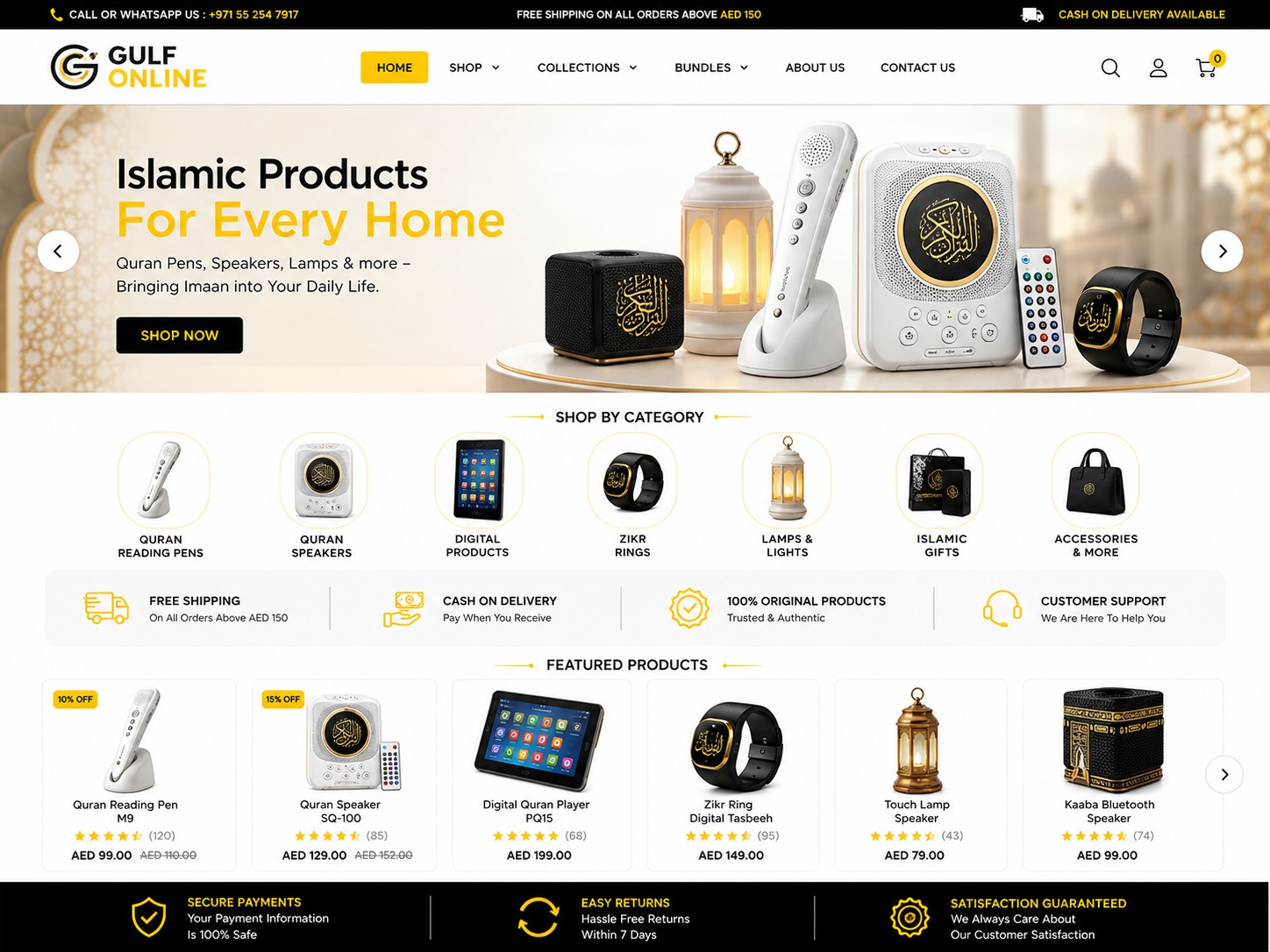
Starting a Shopify store in Pakistan requires a valid email address, a strategic product niche, and a clear understanding of local payment gateways like Cash on Delivery (COD) or Safepay. By following a structured approach to sourcing and logistics, you can launch a professional e-commerce brand that serves either the local Pakistani market or international customers from the comfort of your home.
I have seen the Pakistani e-commerce landscape transform rapidly over the last few years. As a Shopify expert based here, I know that many aspiring entrepreneurs feel overwhelmed by the technicalities of setting up a store. However, Shopify has made it easier than ever to build a world-class storefront without needing to write a single line of code. Whether you are looking to sell local handicrafts, apparel from Faisalabad, or venture into international dropshipping, the opportunity in 2026 is massive.
Why Choose Shopify for Your Pakistan-Based Business?
When people ask me how to start a Shopify store in Pakistan, they often ask why they shouldn't just use social media or a custom-built site. The answer lies in scalability and trust. Shopify provides a secure, fast, and mobile-responsive framework that gives your brand instant credibility. In a market where consumer trust is everything, having a professional '.com' or '.pk' domain powered by a stable platform like Shopify sets you apart from the 'DM for price' sellers on Instagram.
Moreover, Shopify’s ecosystem allows you to automate inventory management, track your marketing ROI, and integrate with local shipping providers. This means you spend less time managing spreadsheets and more time growing your business. It is the most robust solution for anyone serious about building a long-term brand.
Step 1: Researching Your Niche and Sourcing Products
The first real step in learning how to start a Shopify store in Pakistan is deciding what to sell. You have two main paths: Local E-commerce or International Dropshipping. If you are targeting the Pakistani market, sourcing locally is often the most profitable route. For example, sourcing textiles from Faisalabad, leather goods from Sialkot, or surgical instruments can give you a high-margin product that is easy to ship.
If you prefer the dropshipping model, you can use apps like DSers or Zendrop to source products from China and sell them to customers in the UAE, USA, or Europe. For my clients in the UAE, I often recommend a hybrid model where they hold small amounts of local stock to ensure fast 24-hour delivery, which is a major competitive advantage in the Gulf region.
Step 2: Setting Up Your Shopify Account and Domain
To begin, visit Shopify.com and sign up for a trial. Use a professional email address—ideally one associated with your brand name. Once you are in the dashboard, the first thing you should do is secure your domain. While Shopify provides a 'myshopify.com' URL, you should purchase a custom domain (e.g., www.yourbrand.pk) to look professional. You can buy this directly through Shopify or via local providers like Nayatel or international ones like Namecheap.
During the setup, ensure your store currency is set correctly. If you are selling locally, set it to PKR. If you are targeting a global audience, USD is generally the standard. Remember to configure your 'Store Details' with an accurate Pakistan-based address to ensure your account remains compliant with Shopify’s terms of service.
Step 3: Solving the Payment Gateway Challenge in Pakistan
One of the most common hurdles when figuring out how to start a Shopify store in Pakistan is the payment gateway. Since Shopify Payments and Stripe are not natively available for Pakistani bank accounts, you need alternatives. For the local market, Cash on Delivery (COD) accounts for nearly 80-90% of transactions. You can easily enable 'Manual Payment Methods' in Shopify settings to offer COD.
For digital payments within Pakistan, Safepay is an excellent local choice that integrates directly with Shopify. If you are selling internationally, you can look into opening a Payoneer account and linking it to 2Checkout or Checkout.com. This allows you to accept credit card payments from global customers and withdraw the funds directly into your Pakistani bank account via Payoneer.
Step 4: Logistics and Shipping Partners for Local Delivery
Logistics can make or break your business. In Pakistan, you need a courier partner that offers reliable COD handling and fast 'last-mile' delivery. Major players include Leopards Courier, TCS, and Trax. Most of these companies now have Shopify apps or API integrations that allow you to generate shipping labels and track orders directly from your Shopify admin panel.
When setting up your shipping rates, I recommend offering 'Free Shipping' for orders above a certain value (e.g., over 3000 PKR). This is a proven strategy to increase the average order value in the Pakistani market. For international shipping from Pakistan, DHL and FedEx offer export accounts for small businesses, though the costs are significantly higher, so ensure your product margins can absorb these fees.
Your Shopify Launch Checklist
- Select a clean, mobile-responsive theme (like Dawn or Sense).
- Create essential pages: About Us, Contact, Shipping Policy, and Returns.
- Upload high-quality product images with descriptive, SEO-friendly titles.
- Set up 'Cash on Delivery' as a manual payment method.
- Install a WhatsApp Chat button for quick customer support (crucial for PK).
- Configure your Facebook Pixel and Google Analytics for tracking.
- Test the checkout process yourself to ensure there are no friction points.
- Set up automated email notifications for order confirmation and shipping.
Frequently Asked Questions
Is it legal to run a Shopify store in Pakistan? Yes, it is perfectly legal. However, as your business grows, you should register your business with the Federal Board of Revenue (FBR) and obtain an NTN (National Tax Number). This will help you in opening corporate bank accounts and dealing with official payment providers or international suppliers.
How much does it cost to start? While Shopify has a monthly subscription fee (usually around $25-$39 for the basic plan), you also need to budget for a domain ($15/year), initial marketing (approx. 20,000-50,000 PKR), and product inventory. If you are dropshipping, your inventory cost is zero, but your marketing budget needs to be higher to compete globally.
Can I sell internationally from Pakistan? Absolutely. Many of my clients use Shopify to sell Pakistani-made fashion or specialized goods to the UK, USA, and Canada. The key is to use a reliable international payment gateway like 2Checkout and a fast shipping service to ensure a good customer experience.
Starting your journey might feel daunting, but you don't have to do it alone. If you need a high-converting, professionally designed store that is tailored to the Pakistani or UAE market, I am here to help. Contact me through muhammadabdullah.online today, and let’s build a Shopify store that actually generates sales for your business.
Ready for shopify store design?
See the full scope, process, and pricing — or book a project directly.
Explore Shopify Store DesignMore Shopify posts
How Much Does a Shopify Store Cost in 2026? A Real Breakdown by Abdullah
Abdullah breaks down the real cost of building a Shopify store in 2026 — subscription, theme, apps, design, and launch — with honest numbers for Pakistan and international clients.
Read postThe Shopify Launch Checklist: 12 Things to Fix Before You Go Live
Abdullah's pre-launch Shopify checklist — 12 concrete things to test on your store, from mobile speed to checkout flow, before you send it your first paid visitor.
Read post