Hire the Best Ecommerce Website Designer for Shopify Success
By Muhammad Abdullah · October 4, 2026
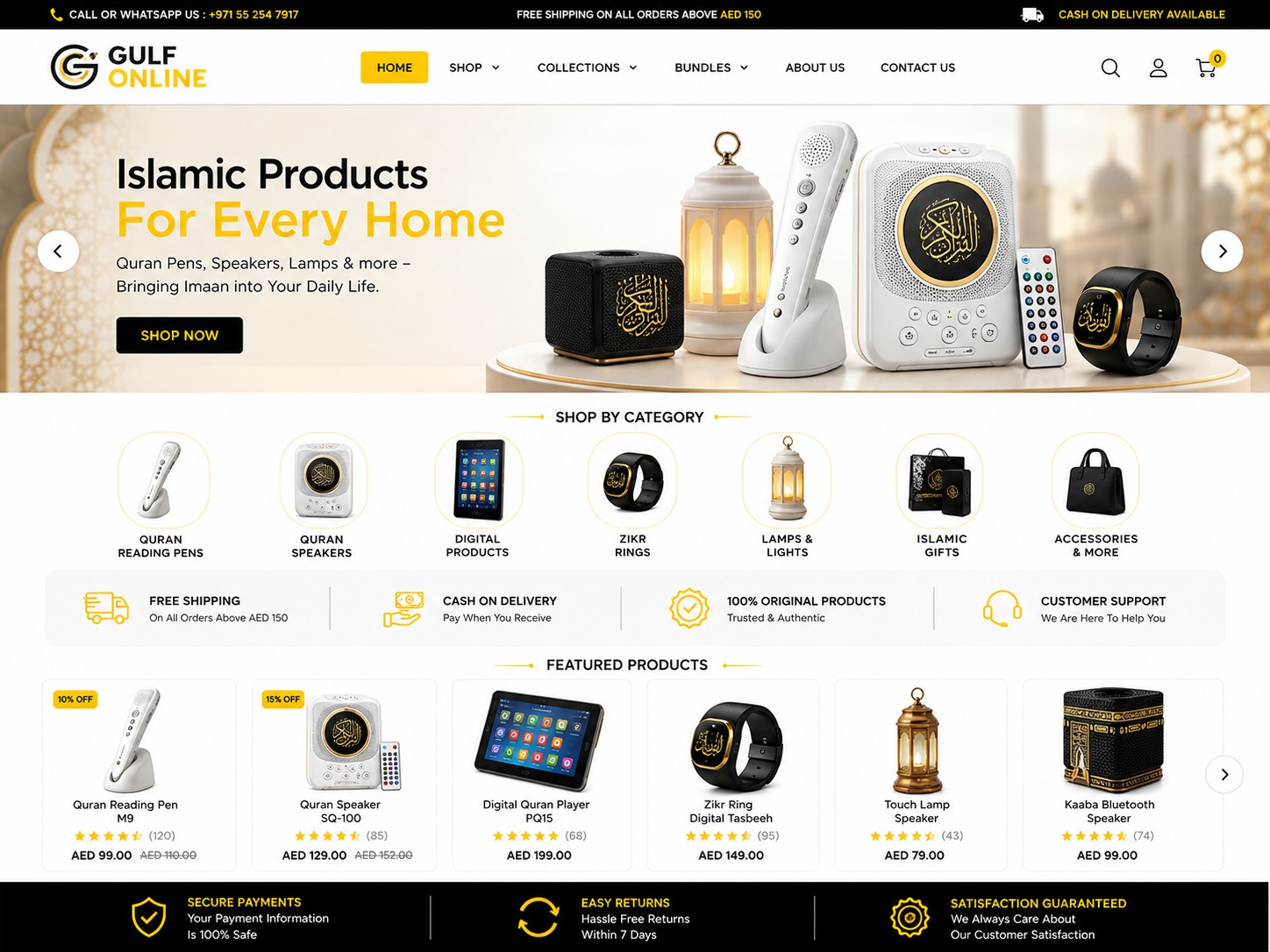
An ecommerce website designer is a specialized professional who focuses on building, optimizing, and scaling online stores to maximize user engagement and sales. If you are looking to launch or grow your brand, hiring a dedicated expert ensures your Shopify store is not just a digital catalog, but a high-converting machine tailored to your specific business goals.
In the modern digital landscape, especially in fast-growing markets like Pakistan and the UAE, the competition is fierce. As someone who has helped dozens of entrepreneurs move from 'idea' to 'income,' I have seen firsthand how a strategic design can make or break a brand. You don't just need someone who can drag and drop images; you need a strategist who understands the psychology of the buyer, the technical nuances of the Shopify platform, and the local market trends that drive conversions.
Why You Need a Specialist Ecommerce Website Designer
Many business owners make the mistake of hiring a generalist graphic designer or a generic web developer to build their Shopify store. While these professionals are talented, ecommerce is a different beast entirely. An ecommerce website designer understands that every pixel must serve a purpose: to lead the visitor toward a purchase. We focus on 'conversion-centric design,' which involves optimizing the layout for mobile users, ensuring lightning-fast load times, and placing call-to-action buttons in high-visibility areas.
Beyond the visuals, a specialist handles the technical architecture. This includes setting up complex shipping rules, integrating local payment gateways, and ensuring that your SEO (Search Engine Optimization) is baked into the foundation of the site. When I work with clients in Dubai or Lahore, my focus is always on creating a sustainable asset that they can manage easily without needing a developer for every small change. A professional designer empowers you with a site that is both beautiful and functional.
How Does Design Impact Your Brand’s Trust and Authority?
Trust is the currency of the internet. If a customer lands on your site and sees a cluttered layout, broken links, or low-quality imagery, they will leave within seconds. A professional ecommerce website designer uses visual hierarchy to establish authority. This means highlighting your best-selling products, showcasing genuine customer reviews, and using high-quality photography that tells a story. For my clients in the UAE, where luxury and precision are expected, the design must reflect a premium experience. In Pakistan, where consumers are often cautious about online shopping, the design must emphasize security and reliability.
Design is not just what it looks like and feels like. Design is how it works. This is especially true for Shopify stores where the flow from product page to checkout must be frictionless.
Regional Focus: Designing for Pakistan and UAE Markets
When building a store for the Pakistani market, an ecommerce website designer must account for local preferences. This includes integrating Cash on Delivery (COD) as a primary payment method and ensuring the site is lightweight enough to load on slower mobile networks. I often recommend using local language nuances in the copy and highlighting 'Easy Returns' to build trust with a demographic that is still maturing in terms of online shopping habits.
In contrast, the UAE market is highly sophisticated and mobile-first. Customers in Dubai and Abu Dhabi expect seamless integration with modern payment solutions like Tabby or Tamara (Buy Now, Pay Later) and Apple Pay. The design needs to be sleek, ultra-modern, and capable of handling multi-currency transactions if the brand aims to sell across the GCC. As a Shopify expert, I ensure that these regional integrations are handled perfectly so you don't lose customers at the final hurdle.
The Step-by-Step Shopify Design Process
My approach to design is methodical. It starts with a discovery phase where I learn about your target audience, your competitors, and your brand voice. Following this, I move into the wireframing stage, mapping out the user journey to ensure that even a first-time visitor can find what they are looking for in two clicks or less. We then select a Shopify 2.0 theme that serves as a robust framework, which I then customize with CSS and Liquid code to make it unique to your brand.
Once the visual shell is ready, I focus on product optimization. This involves creating compelling descriptions, setting up variants (like sizes and colors), and ensuring that the internal linking structure is SEO-friendly. The final phase is rigorous testing—checking the site on iPhones, Androids, and various browsers to ensure a consistent experience for everyone. Only then do we go live.
Checklist: Is Your Store Ready for Launch?
- Mobile Responsiveness: Does the site look and function perfectly on a smartphone?
- Site Speed: Does the home page load in under 3 seconds?
- Payment Gateway: Are local options like JazzCash/Easypaisa (PK) or Stripe/PayFort (UAE) integrated?
- SEO Meta Tags: Are all product titles and descriptions optimized for search engines?
- Clear Navigation: Is the menu simple and easy to understand?
- Contact Information: Are your WhatsApp, email, and social links clearly visible?
- Legal Pages: Do you have a Refund Policy, Terms of Service, and Privacy Policy?
- Trust Badges: Have you included icons for secure checkout and fast shipping?
Frequently Asked Questions
How much does it cost to hire an ecommerce website designer? The cost varies significantly based on the complexity of the project. A basic store setup with a pre-made theme will be more affordable than a fully custom-coded Shopify experience. I always recommend focusing on the return on investment (ROI); a well-designed store can pay for itself within the first few months of sales.
How long does it take to build a Shopify store? For a standard project, the timeline is usually between 2 to 4 weeks. This includes the initial consultation, design, development, and a round of revisions. If you have all your product data and images ready to go, the process can often be accelerated.
Do I need to know how to code to manage my store? Not at all. One of the reasons I specialize in Shopify is its user-friendly interface. Once I have finished the design, I provide a walkthrough for my clients, showing them how to add products, change banners, and manage orders without touching a single line of code.
Conclusion: Start Your Ecommerce Journey Today
Building a successful online brand requires more than just a product; it requires a digital home that invites customers in and convinces them to stay. Whether you are a startup in Karachi or an established retail brand in Dubai, having a professional ecommerce website designer on your side is the best investment you can make for your business's future. I am Muhammad Abdullah, and I am here to help you turn your vision into a reality. If you are ready to build a Shopify store that stands out and sells, please visit muhammadabdullah.online or contact me today to discuss your project.
Ready for shopify store design?
See the full scope, process, and pricing — or book a project directly.
Explore Shopify Store DesignMore Shopify posts
How Much Does a Shopify Store Cost in 2026? A Real Breakdown by Abdullah
Abdullah breaks down the real cost of building a Shopify store in 2026 — subscription, theme, apps, design, and launch — with honest numbers for Pakistan and international clients.
Read postThe Shopify Launch Checklist: 12 Things to Fix Before You Go Live
Abdullah's pre-launch Shopify checklist — 12 concrete things to test on your store, from mobile speed to checkout flow, before you send it your first paid visitor.
Read post